



WoodGrain Nano: A Softer Timber Expression
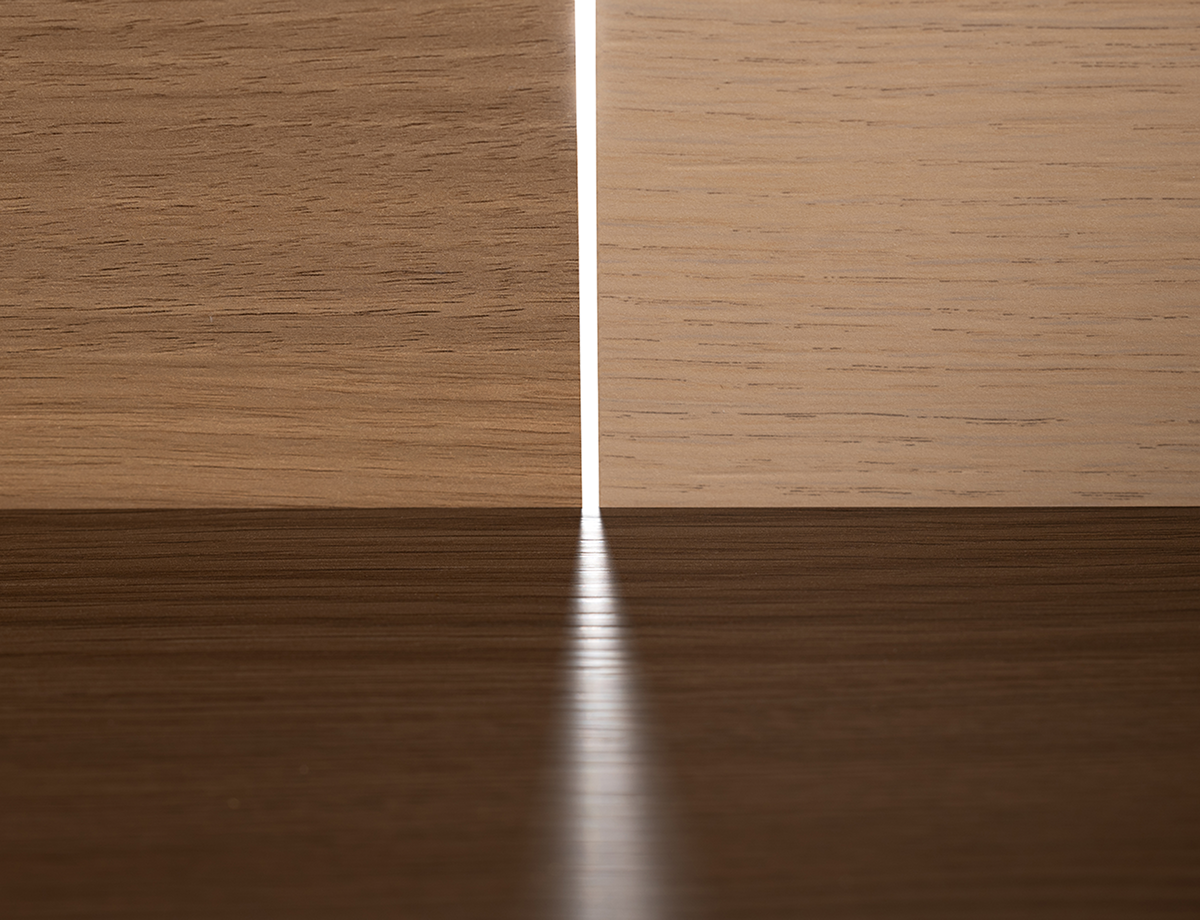
WoodGrain Nano combines timber-inspired appearance with a refined surface feel. Its oiled-timber character describes a visual and tactile effect, adding another choice alongside familiar woodgrain texture and the wider-format WoodGrain 2070 collection.
Choose for the way the surface feels
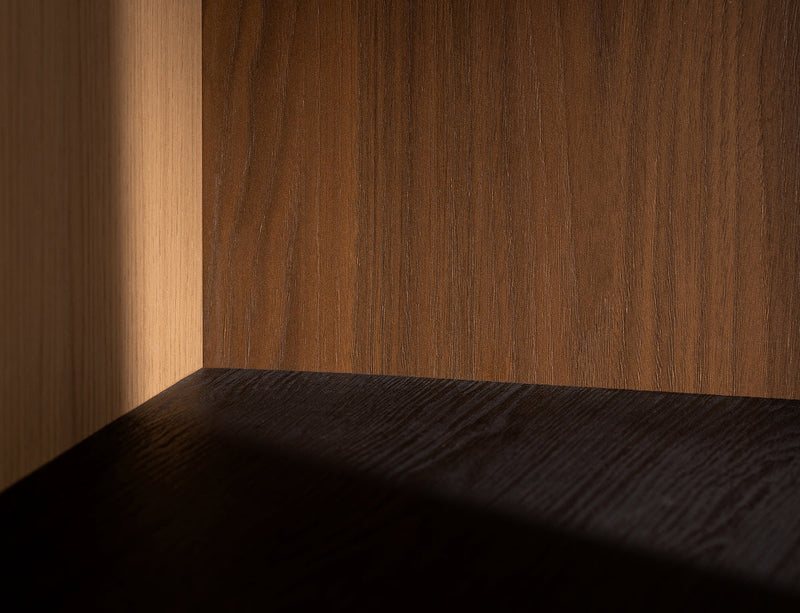
A woodgrain finish is often selected for its colour and pattern. WoodGrain Nano adds a tactile reason to the shortlist: a refined surface character with an oiled-timber expression. It is a direction to consider where the feel of a door or feature panel matters as much as the grain image.
That description refers to the effect of the decorative surface. It does not mean the product is an oiled timber veneer, or that it should be maintained by applying timber oil. Keep the material identity and the desired appearance clear as the project develops.
Understand the surface without losing the design
WoodGrain Nano has a melamine-based construction with an EB-cured surface. Electron beam curing is part of the surface process; the product still needs to be identified by its particular form, core and configuration.
The White Oak 6002 product record, for example, lists single- and double-sided 2800 × 1220 × 18 mm MR MDF panels and coordinating edging. That example connects the finish name to actual items. It should not be used to assume that every colour, size or core combination is available.
For a process overview, read the EB curing explainer. Use the relevant product documents for individual performance questions.
Compare the three woodgrain directions
- WoodGrain
- A broad timber-inspired palette, with pattern and texture as the starting point.
- WoodGrain 2070
- A wide-format direction for larger compositions and their cut plans.
- WoodGrain Nano
- A refined tactile direction for the selected timber-inspired surface.
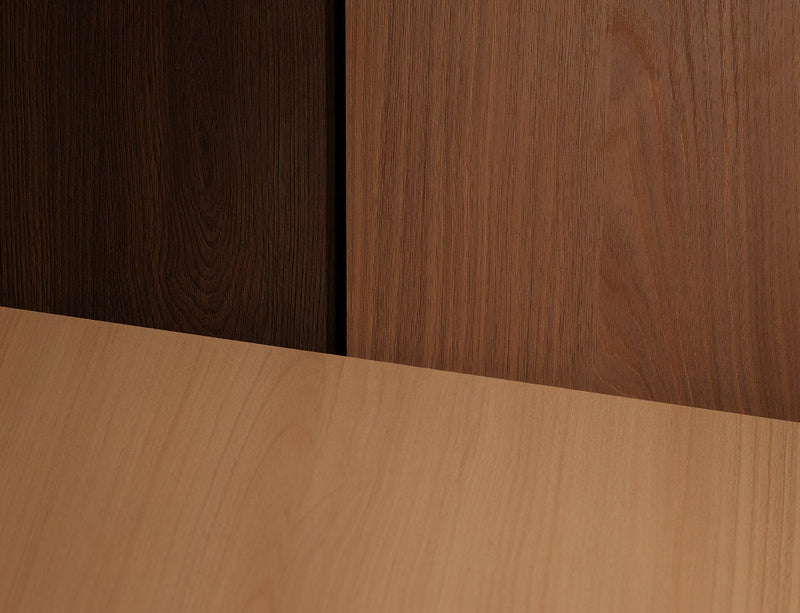
Place labelled samples under the same light, and compare colour, highlights and touch at similar angles. Then look at a larger pattern view. A small sample can establish the preferred feel without revealing how the grain will read across a tall door or long elevation.
Make the whole detail work together
Review grain direction, the visible reverse and the face-to-edge junction with the fabricator. Choose the supplied form for the component, and confirm separate materials and processes for any curved or shaped element. The collection name is the beginning of that discussion, rather than a complete fabrication specification.
Browse the WoodGrain Nano collection, retain the approved sample code, and complete the product record with core, dimensions, faces and edge item. Obtain the current use and care guidance for the selected surface before the project is handed over.
Leave a comment
This site is protected by hCaptcha and the hCaptcha Privacy Policy and Terms of Service apply.