



Choosing Decorative Panels for Kitchens and Wardrobes
Start with the room, then choose the surface and the product behind it. This guide connects seven Verdécor collections with the sample, edging and fabrication decisions that turn a preferred finish into a clear cabinetry specification.
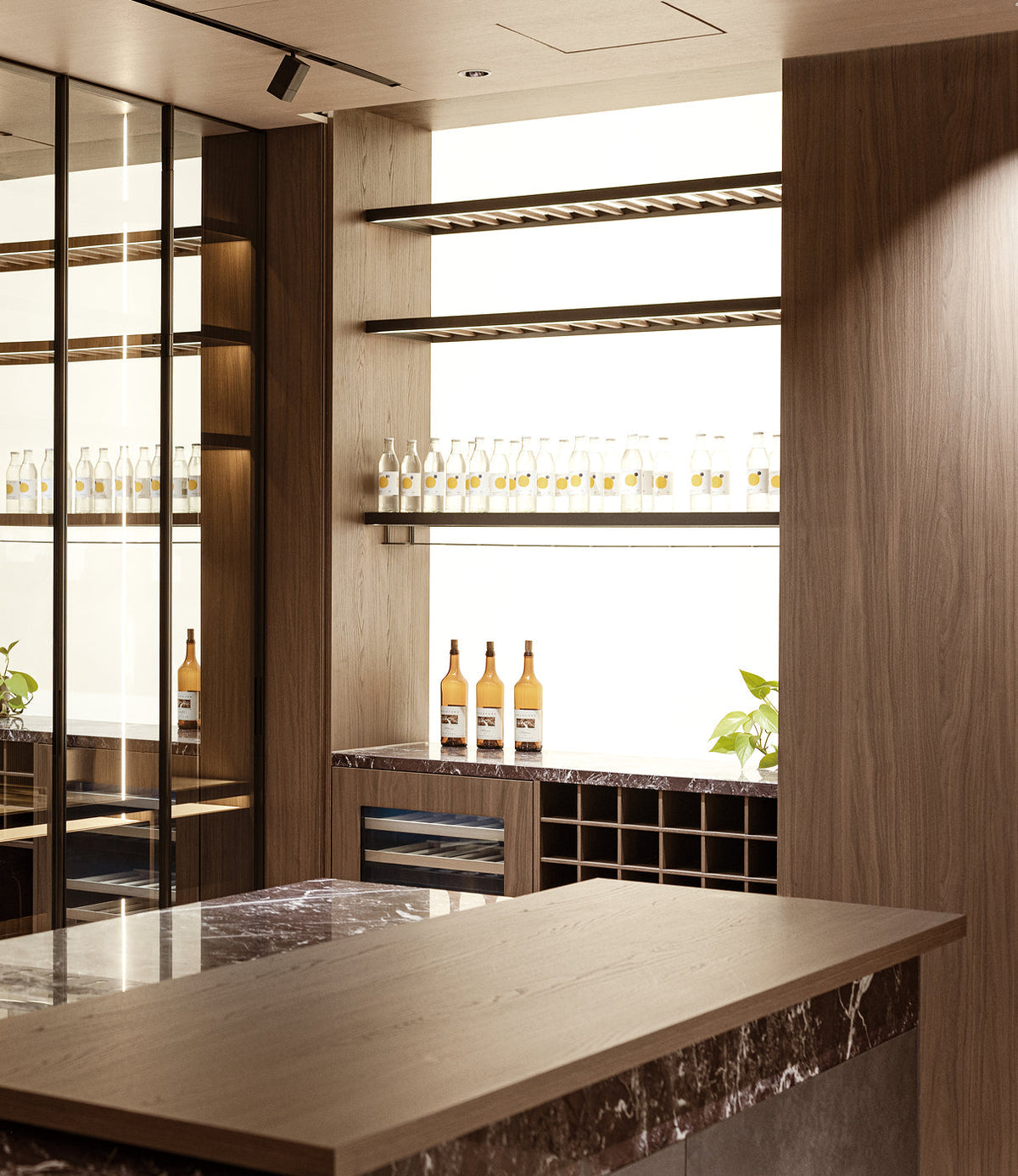
Start with the room and the component
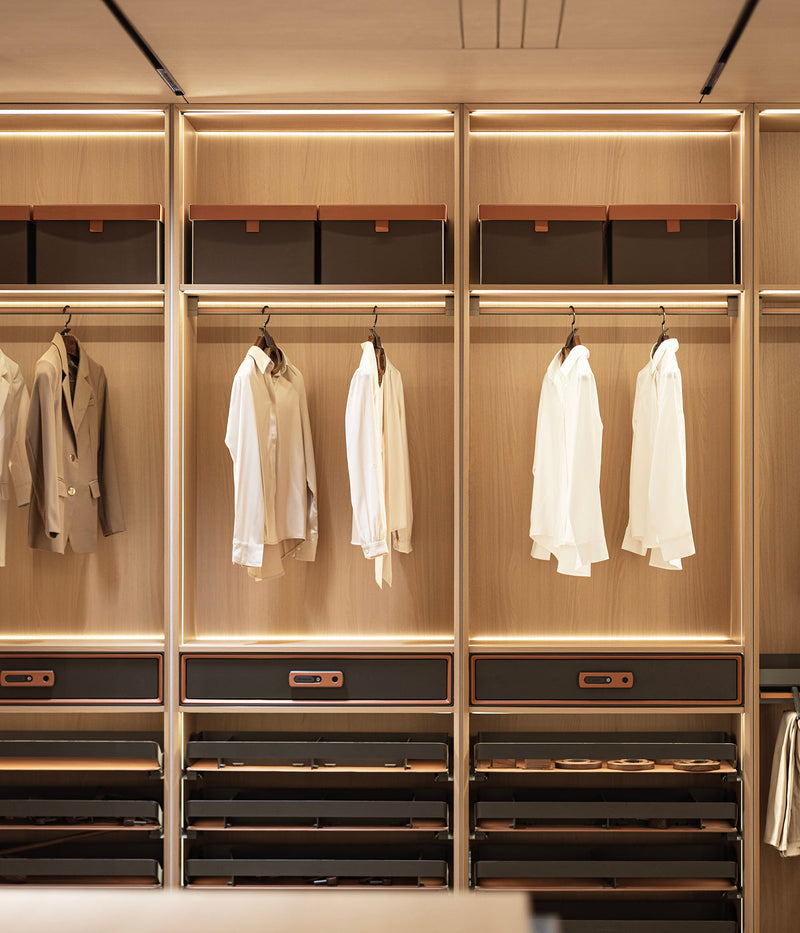
For kitchen cabinet doors and wardrobes, a useful decorative-panel shortlist begins with the effect you want: low-reflection colour, a reflective highlight, timber character or a material-inspired texture. Verdécor, the decorative-surfaces brand within KnoxOne, offers seven collections to explore those directions.
Before choosing a colour, identify what will be made. A tall wardrobe door, a kitchen end panel and an open shelf have different demands. Record the component, approximate dimensions, grain direction and expected contact with hands, stored objects or moisture. These details help your designer and cabinet maker choose the supplied product as well as its appearance.
Compare the seven Verdécor collections
Use this table to choose a design direction. It does not rank durability or mean that every finish is available in every product form.
| Collection | Design direction | Check with the sample |
|---|---|---|
| NanoMatte | Low-reflection solid colours with a soft-touch character. | Colour undertone, touch and how quietly the face sits beside timber or stone. |
| FineMatte | A matt PET-film surface with visual depth; selected colours offer metallic effects. | How the chosen colour changes with the viewing angle and light. |
| NanoGloss | High reflection and colour depth for a more expressive cabinet face. | Reflected lighting, neighbouring finishes and visible everyday contact. |
| WoodGrain | Timber-inspired print and texture, with different texture systems across the range. | Grain character, direction and the specific finish’s texture. |
| WoodGrain 2070 | A timber-look collection in a 2800 × 2070 mm raw-sheet format. | Pattern scale and the fabricator’s cutting and grain layout. |
| WoodGrain Nano | Timber-inspired décor with a softer surface feel and an oiled-timber expression. | Appearance and touch; this is a decorative surface, not oiled timber veneer. |
| Elementa | Stone, fabric, leather and other material-inspired decorative effects. | Pattern scale, texture and the relationship with adjacent materials. |
For a closer comparison, read NanoMatte, FineMatte and NanoGloss or our guide to timber-look panels. The collection stories explain Elementa’s material effects and WoodGrain 2070’s larger format in more detail.
Choose the supplied product behind the finish
A collection name describes a surface family. The item being ordered also needs a product form, core, thickness, dimensions and face configuration. A complete MDF or particleboard panel, a separate laminate sheet, decorative Film and ABS edging are different purchase selections.
Ask the fabricator to confirm the exact SKU and whether the component needs a single-sided or double-sided panel, a coordinating reverse face, or separately applied surface material. For a curve, confirm the material and fabrication method before assuming a flat-panel finish can wrap around it. The panel, laminate and Film guide explains that handover.
Judge the finish in the project’s light
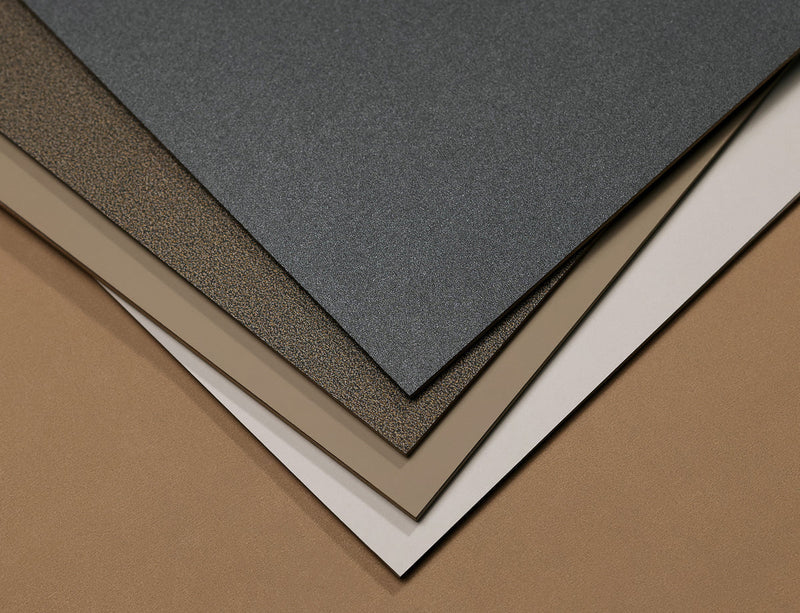
Shortlist two or three labelled samples and place them beside the actual benchtop, flooring and wall colour. Compare them under the same daylight and artificial lighting, then turn each sample to see reflection and texture. For a woodgrain or pronounced pattern, ask to see a larger display or full-sheet image before approving the layout.
Where cabinetry includes lighting, evaluate the materials under the proposed light as well. The VOXAURA smart cabinet-lighting guide explains how the light, driver and controller form a separate specification. A finish choice alone does not determine smart-home compatibility.
Hand over a complete selection
- Record the collection, décor name and colour code from the approved sample.
- Identify each component and its dimensions, including the intended grain direction.
- Confirm the product form, core grade, thickness and face configuration with the cabinet maker.
- Select the matching edge and review the face-to-edge junction.
- Obtain current product, fabrication and care information, plus any evidence required by the project brief.
- Have the trade account holder confirm current supply and the final order.
A decorative cabinet face is not automatically approved as a kitchen benchtop, and a moisture-resistant core is not waterproof. For open storage, use the separate shoe and pantry shelving guide to discuss surface contact, shelf span and support.
Request and compare samples
Verdécor’s 70 × 100 mm colour samples are free, with free shipping within Australia, and are available to homeowners as well as trade professionals. Browse the colours or contact the KnoxOne team for sample assistance. Paid product orders require an approved trade account; homeowners can pass their selected finish references to their cabinet maker.
Use the sample-comparison checklist to keep the approved colour, neighbouring finishes and product details together through design and fabrication.
Back to top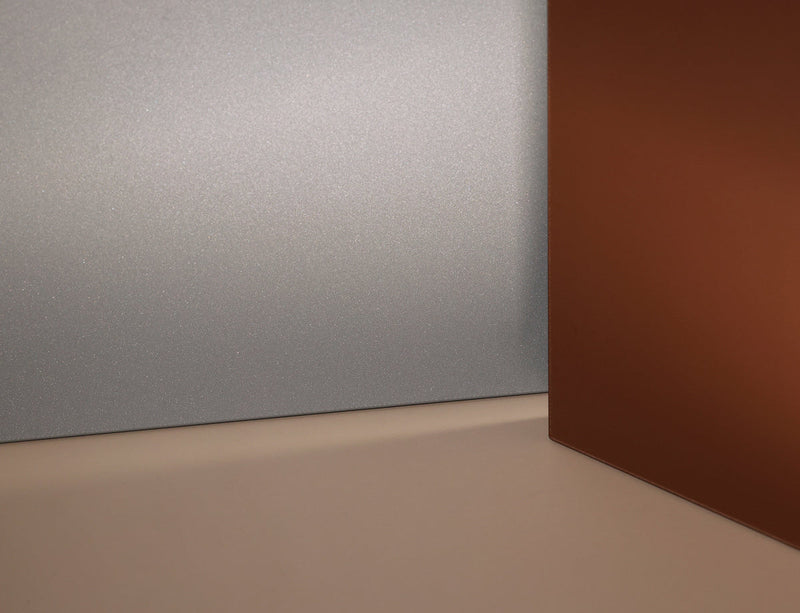
Leave a comment
This site is protected by hCaptcha and the hCaptcha Privacy Policy and Terms of Service apply.