



Choosing Oak and Walnut-Look Panels for Cabinetry
A timber-look cabinet face is a composition of colour, grain and texture. Use a labelled sample to shortlist the character, then review a larger pattern view and the cutting layout before deciding how it will run through the joinery.
Choose the character before the timber name
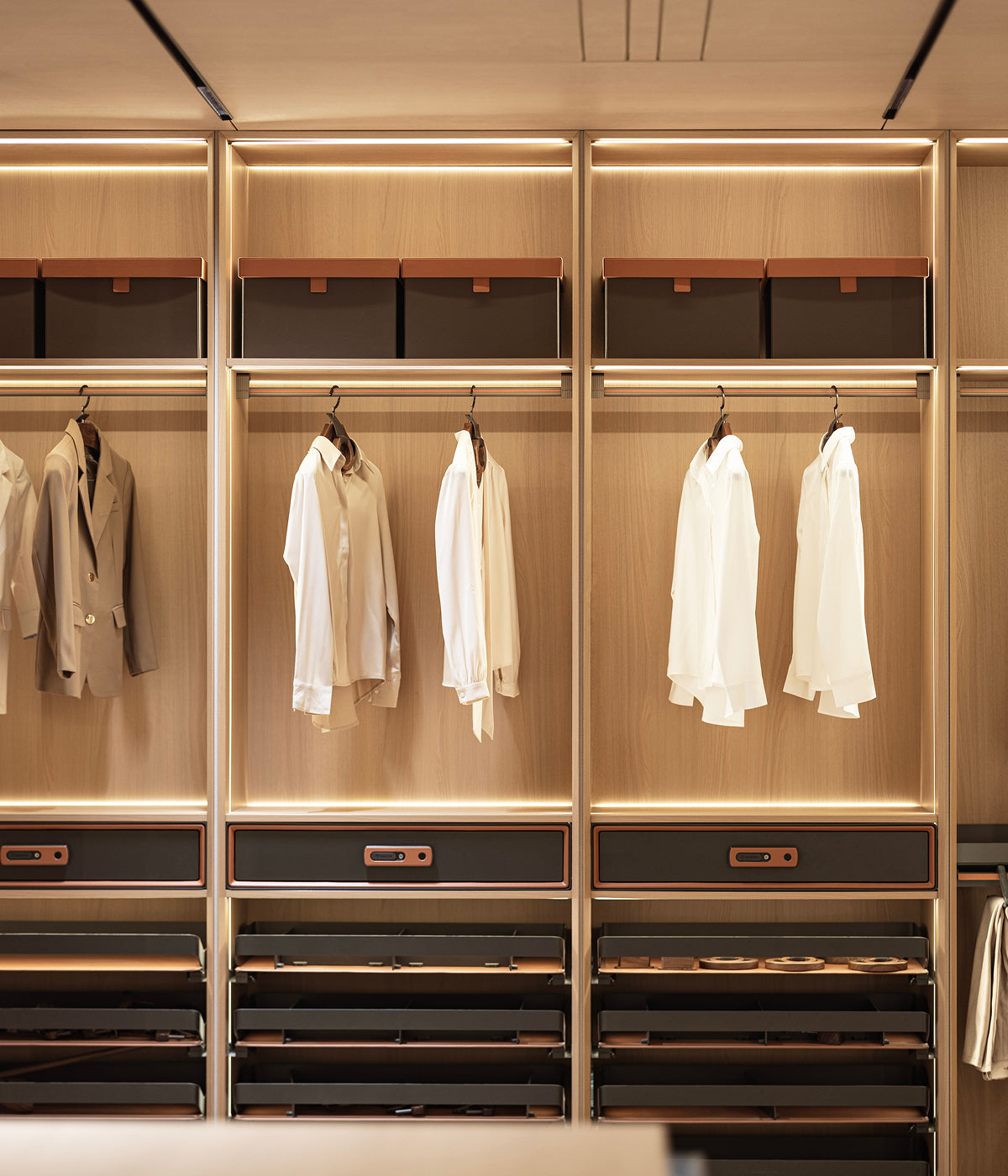
For oak- or walnut-look cabinet doors, start with the colour and grain character your room needs. A timber name alone does not tell you how warm, dark, straight-grained or pronounced a decorative panel will look. Verdécor’s WoodGrain, WoodGrain 2070 and WoodGrain Nano collections offer different ways to bring timber-inspired character into interior joinery.
These are decorative surfaces, rather than solid oak, solid walnut or natural timber veneer. The selected décor creates the visual expression; the full product record identifies the surface construction and the MDF or particleboard core being supplied.
Compare the colour against the room
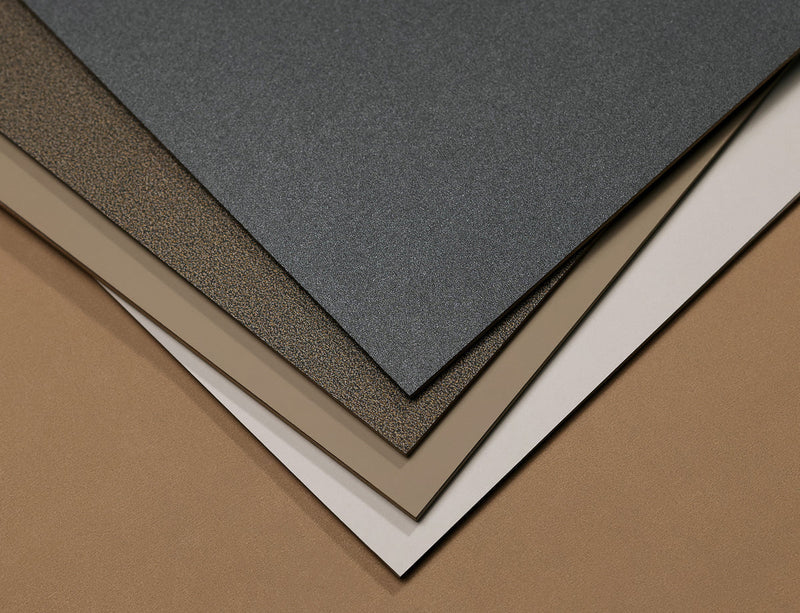
Shortlist a small number of labelled samples and place them beside the floor, benchtop and adjacent cabinet colour. Compare the undertone first: does the combination feel warm, neutral or cool? Then consider how much contrast the grain contributes. A darker grain can read strongly across a large bank of doors even when a small sample seems restrained.
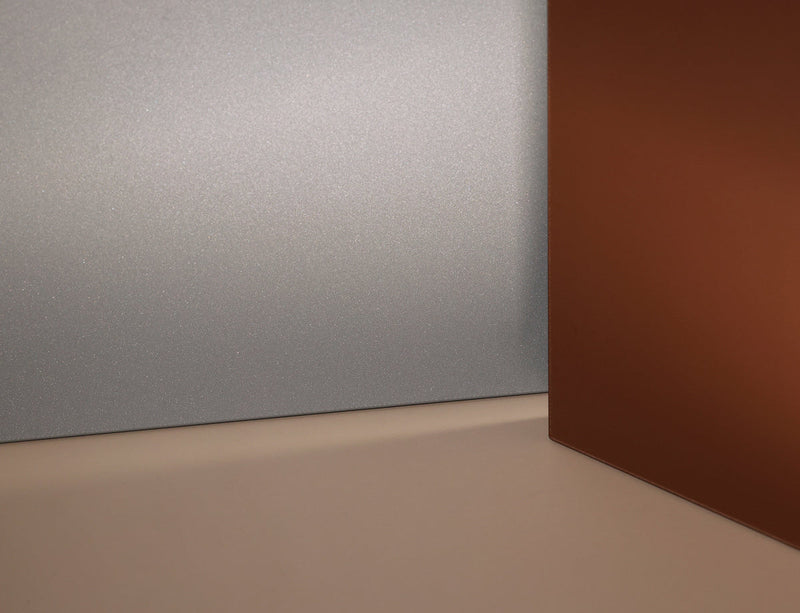
To pair timber with a solid colour, decide which material should lead. A quieter solid-colour face may support a pronounced grain, while a subtly patterned timber-look panel may suit a palette with a more expressive stone. The matt and gloss comparison helps assess the companion finish without relying on a digital mood board alone.
Understand the three WoodGrain directions
- WoodGrain: compare the printed grain with the physical texture. Different finishes use different texture systems; not every woodgrain is synchronised.
- WoodGrain 2070: consider the 2800 × 2070 mm raw-sheet format when planning a larger composition. The usable cutting layout still depends on grain direction, machining allowances and the components.
- WoodGrain Nano: compare the softer surface feel and oiled-timber expression. This describes the decorative appearance and touch, not a natural veneer that needs timber-oil maintenance.
For example, the current WoodGrain collection information identifies Chestnut Oak 4024 with ExactSync and Aspen Walnut 4040 with NaturalGrain Plus. They are useful samples for understanding different texture approaches, rather than evidence that all oak or walnut décors share one surface construction.
The existing WoodGrain story, WoodGrain 2070 story and WoodGrain Nano story explain each direction.
Plan grain direction and pattern scale
A small sample helps compare colour and touch, but it shows only part of the décor. Ask to review a larger display or full-sheet image for a broad island face, tall wardrobe or run of doors. Look for the amount of variation and how the pattern reads at the actual viewing distance.
Mark the intended grain direction on the drawing. Discuss whether it runs vertically or horizontally on each component, how adjoining doors relate, and where joints will fall. A wider raw sheet does not guarantee an uninterrupted finished elevation or an automatically continuous grain match. The cabinet maker needs to confirm the layout from the actual material and cutting requirements.
Finish the specification at the edge
Compare the face and matching edge together, including the direction in which each will be seen. Record the décor name, colour code, panel form, core, thickness, face configuration and edge selection. Give the approved sample and the marked-up drawing to the fabricator together.
A material that looks right on a vertical door may need a different review on an open shelf. Read the shoe and pantry shelving guide for the distinction between normal surface contact and structural shelf requirements.
Bring samples into the decision
Verdécor’s 70 × 100 mm colour samples are free, with free shipping within Australia, and are available to homeowners as well as trade professionals. Browse the colours or contact the KnoxOne team for sample assistance. Paid product orders require an approved trade account; homeowners can pass their selected finish references to their cabinet maker.
Follow the sample-comparison checklist and return to the full selection guide when coordinating timber-look panels with other Verdécor collections.
Back to top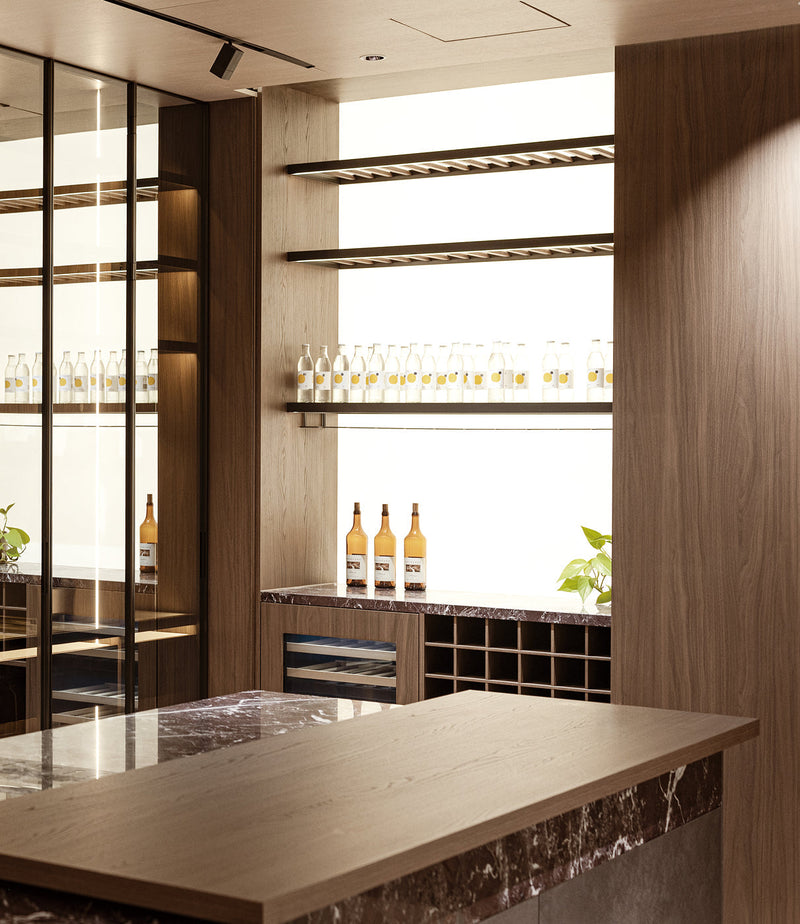
Leave a comment
This site is protected by hCaptcha and the hCaptcha Privacy Policy and Terms of Service apply.